
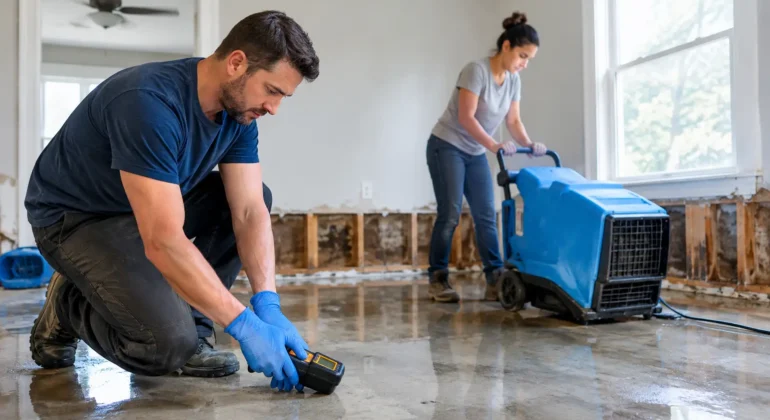

A flooded office, retail unit, basement, or home can look manageable once the standing water is gone. That is often the point when the most expensive problems begin. To repair flood damage properly, the work must address more than visible drywall, flooring, and paint. Moisture can remain behind walls, under finishes, and inside framing, creating conditions that affect indoor air quality, structural materials, and the long-term value of the property.
For property owners and managers, the priority is to protect people, document the loss, stabilize the space, and make informed repair decisions. A well-managed restoration plan can return the property to service while reducing the risk of repeat repairs, mold growth, and avoidable business disruption.
Start With Safety, Documentation, and Water Control
Before cleanup begins, make sure the area is safe to enter. Floodwater can affect electrical systems, gas appliances, structural components, and building materials. If water reached outlets, electrical panels, mechanical rooms, or ceiling spaces, have qualified professionals assess those systems before power is restored.
The source of water also matters. Clean water from a supply line is handled differently from water that may contain sewage, chemicals, or outdoor contaminants. Category of water affects which materials can be dried and retained and which must be removed for health and safety reasons. When contamination is possible, avoid moving damaged porous materials through occupied areas.
Document the condition of the property before major cleanup. Take clear photos and video of affected rooms, finishes, contents, and visible water lines. Record the date, source of the water if known, and immediate actions taken. This supports insurance discussions and gives the repair team a more accurate starting point.
Stopping the water source is equally critical. That may mean shutting off a supply line, addressing a roof or window leak, clearing a failed drain, or arranging emergency plumbing work. Rebuilding before the source is corrected only postpones the next failure.
Assess the Full Scope Before You Repair Flood Damage
Flood damage rarely follows the clean edges of a room. Water travels beneath baseboards, through wall cavities, under floating floors, along structural members, and into insulation. A surface that looks dry may still hold moisture where it cannot be seen.
A thorough assessment identifies the extent of wet materials and separates salvageable components from materials that should be removed. Moisture readings, visual inspection, and selective openings in affected walls or ceilings help determine the right scope. For commercial spaces, the assessment should also consider fire-rated assemblies, acoustic ceilings, accessibility requirements, electrical distribution, and any systems required for safe occupancy.
Drywall, insulation, particleboard cabinetry, laminate flooring, and some ceiling tiles can swell, lose integrity, or retain contamination after prolonged exposure. Solid wood, metal framing, concrete, and certain tile finishes may be recoverable, but only after proper cleaning and drying. The right decision depends on how long materials were wet, the water source, and whether the material can be fully dried without compromising performance.
Watch for these signs that the damage extends beyond the obvious area:
- Musty odors that persist after surface cleaning
- Baseboards, flooring edges, or drywall that are swollen or separating
- Staining on ceilings, walls, or inside cabinets
- Peeling paint, soft spots, or visible mold growth
- Warped doors, loose tiles, or changes in floor level
A detailed estimate should explain what will be removed, what will be dried, and what will be rebuilt. Clear scope and communication are especially valuable when an office, restaurant, retail unit, or rental property must reopen on a defined schedule.
Dry the Building Before Closing Walls and Floors
Fast drying protects the structure, but speed should not mean rushing into reconstruction. The goal is controlled drying: removing water, lowering humidity, increasing airflow where appropriate, and checking moisture levels until materials are within an acceptable range.
Dehumidification and air movement are commonly used, while wet drywall, insulation, carpet padding, and damaged finishes may need to be removed to expose concealed areas. In some situations, targeted demolition is the most efficient way to prevent a small water event from becoming a larger indoor air quality issue.
Concrete deserves special attention. It can appear dry on the surface while holding moisture that affects adhesives, floor coatings, and new flooring. Installing vinyl, carpet tile, hardwood, or other finish materials too soon can lead to adhesive failure, cupping, discoloration, or trapped odors. Moisture testing before installation helps protect the new work.
For businesses, drying and repairs may need to be phased around operating hours, inventory protection, customer access, or temporary work areas. There is often a trade-off between reopening quickly and completing every finish at once. A practical project plan can prioritize safe access and essential operations first, then complete noncritical finishing work in coordinated stages.
Rebuild With Materials That Fit the Space
Once the structure is dry and clean, reconstruction is an opportunity to restore function and improve resilience. The best choices depend on the property, the cause of the flooding, and how the space is used.
In a commercial tenant improvement, repairs may include framing, drywall, insulation, acoustic ceiling replacement, flooring, painting, doors, millwork, and glass or metal work. Each trade affects the next. Coordinating them under one accountable contractor helps avoid gaps between demolition, drying, inspections, and finish work.
For homes, flood repairs often involve basement walls, flooring, cabinetry, trim, bathrooms, laundry areas, and finished living spaces. If a basement has a history of moisture, consider materials that are better suited to the environment. Tile, properly installed vinyl flooring, moisture-resistant drywall in appropriate locations, raised storage, and durable baseboards may offer better long-term performance than materials that absorb water quickly.
Not every upgrade is necessary after every flood. Replacing all finishes with premium water-resistant materials may not make sense if the event came from a one-time plumbing failure that has been fully corrected. On the other hand, repeated seepage, drainage issues, or exterior water intrusion may justify a broader solution that addresses grading, drainage, window wells, exterior envelope details, or waterproofing.
Protect Occupants and Keep the Project Accountable
Flood repair affects more than finishes. Work areas should be contained and kept clean, especially in occupied buildings or homes. Dust control, safe removal of damaged materials, organized debris handling, and regular site cleanup reduce disruption and make the job easier to manage.
Choose a contractor that can coordinate the full repair sequence and communicate clearly about schedule, materials, permits, inspections, and changes discovered after walls or floors are opened. Licensing, insurance, workers’ compensation coverage, and code-aware execution are not paperwork details. They help protect the owner when multiple trades, occupied spaces, and damaged building systems are involved.
Shivaji Construction Ltd. approaches flood-related repairs with the same disciplined coordination used for commercial interiors and renovations: clear estimates, dependable scheduling, quality materials, and careful finishing. A single point of contact can make a difficult restoration process more manageable for owners, tenants, and property managers.
Prevent the Next Water Event
After repairs are complete, take time to identify what will reduce future risk. Maintenance may include inspecting roof drainage, sealing exterior penetrations, servicing plumbing connections, clearing gutters and drains, monitoring sump pumps, and checking areas where water has entered before. Commercial properties may also benefit from a clear response plan so staff know who to call, where shutoff valves are located, and how to protect equipment or inventory.
A flood does not have to leave a lasting mark on the property. When the drying, repair, and rebuilding steps are handled in the right order, the result can be a clean, durable space that is ready to serve the people who depend on it.