
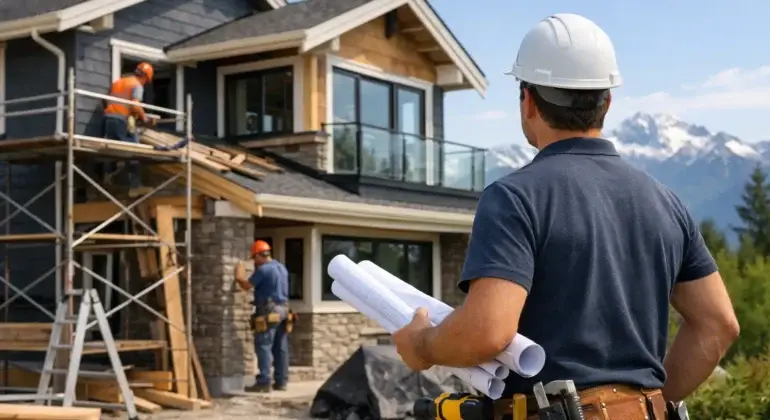

A peeling facade, failing windows, or a water-stained soffit is rarely just a cosmetic concern in the Lower Mainland. Wet seasons, wind exposure, and changing temperatures can turn small exterior defects into insulation loss, rot, mold, and expensive structural repairs. Choosing the right exterior renovation contractor Lower Mainland property owners can rely on is about protecting the building as much as improving its appearance.
Exterior work affects the weather barrier, drainage, structural connections, energy performance, and curb appeal of a property. Whether you manage a commercial building, own a retail space, or are upgrading a home, the contractor should have the planning discipline and trade coordination needed to get every layer right.
Start With the Real Condition of the Building
A good exterior renovation begins with an honest assessment, not a quick estimate based only on what is visible from the street. Siding damage can point to problems behind the wall. A draft around a window may be caused by failed sealant, poor flashing, missing insulation, or an installation issue.
Before recommending materials or finishes, a qualified contractor should review the areas where water is most likely to enter or collect. These often include roof-to-wall transitions, windows, exterior doors, decks, balconies, vents, trim details, and foundation connections. The goal is to identify the source of the problem before covering it with new materials.
For older homes and commercial properties, this may also involve checking for damaged framing, deteriorated sheathing, or outdated exterior assemblies. Repairing hidden issues early costs less than installing a finished exterior only to reopen it later.
What an Exterior Renovation Contractor in the Lower Mainland Should Coordinate
Exterior projects often require more than one trade. Even a focused siding or window project can involve demolition, framing repairs, insulation, waterproofing, painting, finish carpentry, metal work, and site cleanup. When each task is handled separately, scheduling gaps and unclear responsibility can create delays.
A full-service contractor can coordinate these moving parts under one project plan. That means there is a clear sequence for removing damaged materials, completing any structural repairs, preparing the weather barrier, installing exterior finishes, and handling final detailing. It also gives the property owner one accountable point of contact when questions arise.
This approach is especially valuable for commercial properties. A storefront refresh, exterior door replacement, facade repair, or office building upgrade may need to be staged around customers, deliveries, tenants, and business hours. The work must protect the site while keeping disruption under control.
Scope Clarity Protects Your Budget
Detailed estimates are not just a pricing tool. They help prevent misunderstandings about what the project includes. A reliable scope should describe demolition, materials, labor, disposal, preparation, repairs, finishing work, and any allowances that may change if concealed damage is found.
Ask how the contractor handles unexpected conditions. No professional can guarantee what is hidden behind an existing wall, but they should explain the process for documenting the issue, pricing the required repair, and receiving approval before moving forward. Transparent communication is far better than a surprise invoice after the work is complete.
Choose Materials for Exposure, Not Just Appearance
The right exterior material depends on the building, the budget, the desired maintenance level, and how the property is exposed to rain and sun. A material that performs well in a protected area may require more maintenance on a wind-driven rain exposure.
Siding, trim, cladding, windows, doors, paint systems, and exterior finishes should work together as a complete assembly. Durability matters, but so do proper installation details. High-quality products cannot compensate for improper flashing, insufficient drainage space, poorly sealed penetrations, or fasteners installed incorrectly.
For homeowners, material selection often comes down to balancing appearance, long-term maintenance, and upfront investment. For property managers and business owners, consistency across the building, service life, tenant appeal, and minimal operational disruption can carry equal weight. There is no single best choice for every project. The best solution is the one that fits the property’s condition and performance needs.
Energy Efficiency Begins at the Exterior Wall
An exterior renovation can be a practical opportunity to improve comfort and reduce energy loss. When wall areas are opened, there may be a chance to address insulation gaps, air leaks, old window connections, or damaged sheathing.
Window and door upgrades can improve comfort near exterior walls, but only when they are measured, installed, flashed, and sealed correctly. In the Lower Mainland’s damp climate, moisture management is just as important as thermal performance. A contractor should consider how water drains away from openings and how the wall assembly can dry if moisture gets behind the cladding.
Verify Professional Standards Before Work Begins
Exterior renovation is a major investment, and hiring decisions should be based on more than a low number. Request proof that the contractor is properly licensed, insured, and WCB compliant. These basics protect both the client and the people working on site.
You should also ask about project supervision, site safety, cleanup practices, and communication. Exterior work can create noise, dust, access limitations, and temporary openings in the building envelope. A professional crew plans for these conditions, protects landscaping and adjacent surfaces where possible, and keeps the jobsite orderly.
Permitting and code requirements depend on the scope. Structural changes, major window alterations, additions, deck work, and certain exterior upgrades may require permits or inspections. A code-aware contractor will identify those needs early rather than treating them as an afterthought.
Questions Worth Asking Before You Sign
The best contractor-client relationships begin with direct conversations. Rather than focusing only on the total price, ask how the work will be managed from the first day through final completion.
Ask who will supervise the project and how often you will receive updates. Confirm the anticipated schedule, the order of work, and what could affect the timeline, such as material availability or weather. Find out how your property will be protected during demolition and whether daily cleanup is included.
It is also helpful to ask about warranties for workmanship and manufacturer materials. A contractor who stands by the work should be clear about what is covered and how concerns will be handled after completion. This is particularly important for exterior systems, where early attention to a small issue can prevent larger damage.
For commercial clients, discuss access requirements before construction begins. Clarify where workers can park, how deliveries will be received, whether customer entrances need to remain open, and what hours are suitable for louder work. Good planning helps protect both the project schedule and your day-to-day operations.
A Better Process for Exterior Renovation Projects
The strongest exterior projects are built on preparation. First comes a site review and a clear conversation about your goals, concerns, budget, and timeline. Then the contractor develops a detailed scope that addresses both the visible finish and the work required beneath it.
Once construction starts, regular communication matters. You should know what has been completed, what is coming next, and whether any unforeseen conditions need a decision. Clean jobsites, respectful crews, and careful protection of the property are not extras. They are signs of organized project management.
Shivaji Construction Ltd. approaches exterior renovations with the same accountability used for complex construction projects: coordinated trades, detailed estimates, quality materials, and workmanship designed to last. The focus is on creating an exterior that looks finished, performs well in local conditions, and gives owners confidence in the work behind the surface.
If your exterior is showing signs of wear, do not wait for a minor leak or damaged finish to become a larger repair. A thoughtful assessment and a clear project plan can help you make practical decisions, protect your investment, and move forward with confidence.